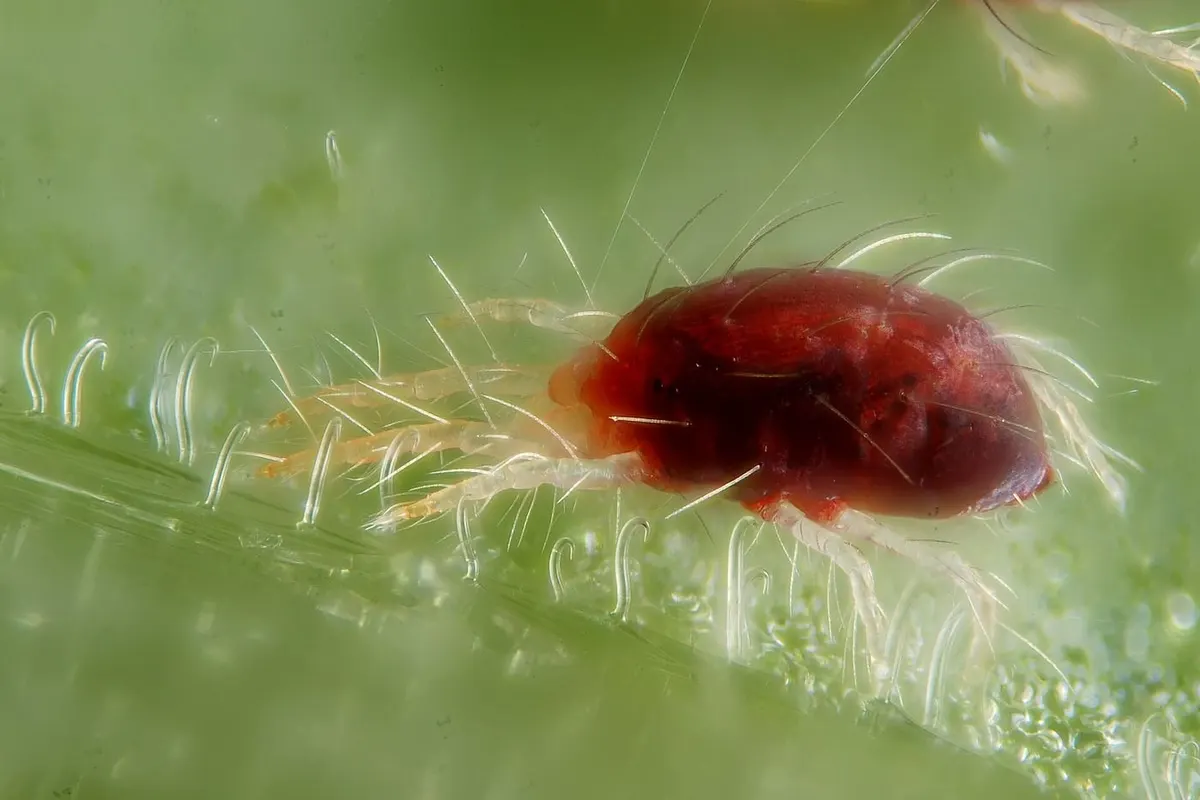
Spider mites on houseplants
Tiny dots and fine webbing under the leaves? That's spider mites. How to confirm it with a white paper test, and a week-by-week plan that actually clears them.
Plant Problems
Classic trailing vine for cool, bright rooms. Invasive outdoors in many US states and parts of Australia — keep it in a pot.
Hedera helix
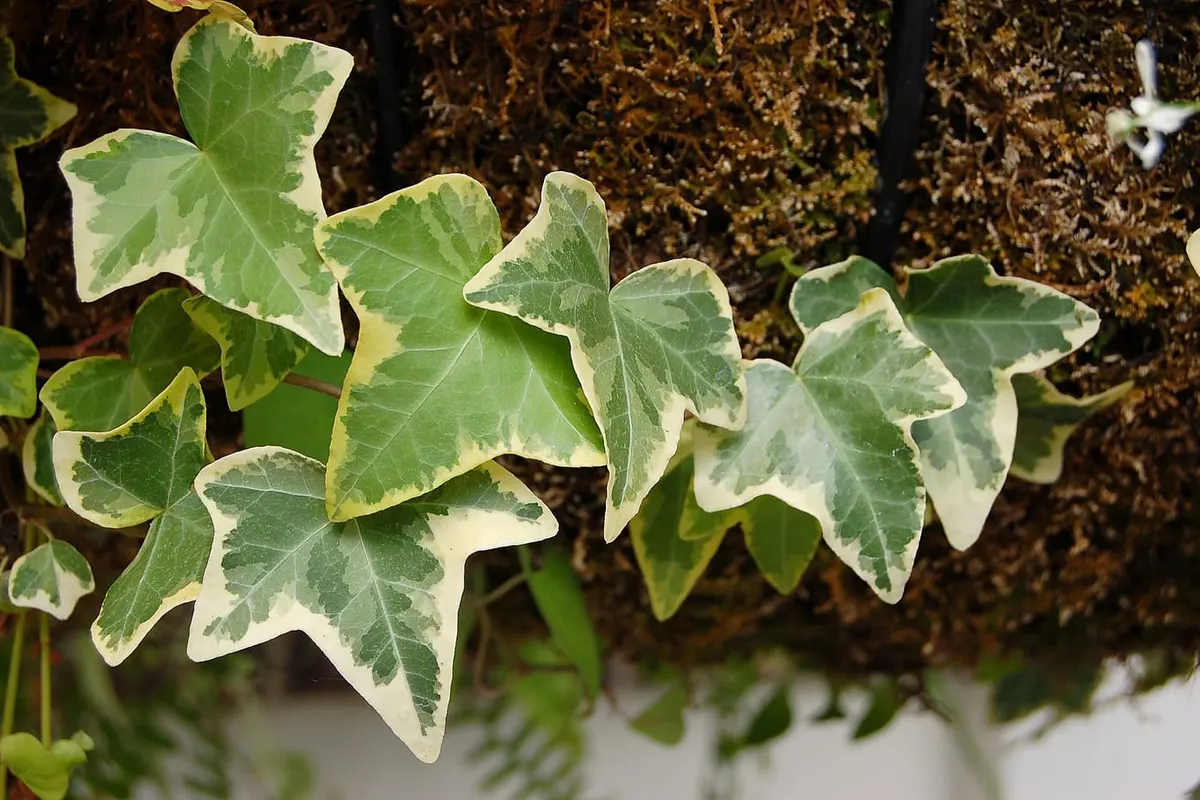
Variegated English ivy leaves. Photo: Photo by and (c)2006 Derek Ramsey ( Ram-Man ). Location credit to the Chanticleer Garden., CC BY-SA 3.0, via Wikimedia Commons.
English Ivy tolerates: medium / indirect, bright indirect or some sun. Put it within a few feet of a window; a dark corner will make it weak and leggy.
Water when the top inch is dry. Likes cool rooms.
Toxic to cats and dogs (saponins): vomiting, diarrhea, drooling. Keep it on a high shelf or in a room pets can’t reach — or pick a pet-safe plant instead. Source: ASPCA toxic and non-toxic plant list.
Typical size indoors: Trailing vines. Humidity: normal household humidity is fine; avoid heater vents.
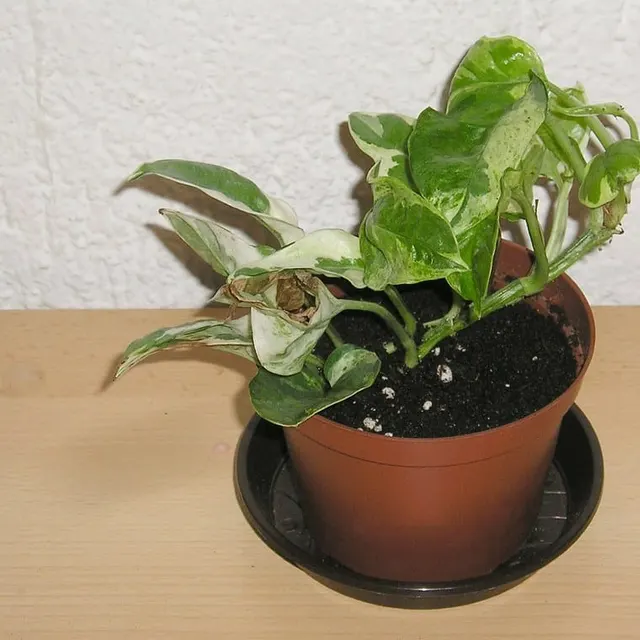
The classic "can’t kill it" vine. Grows in almost any light, tells you when it is thirsty, and roots in a glass of water.
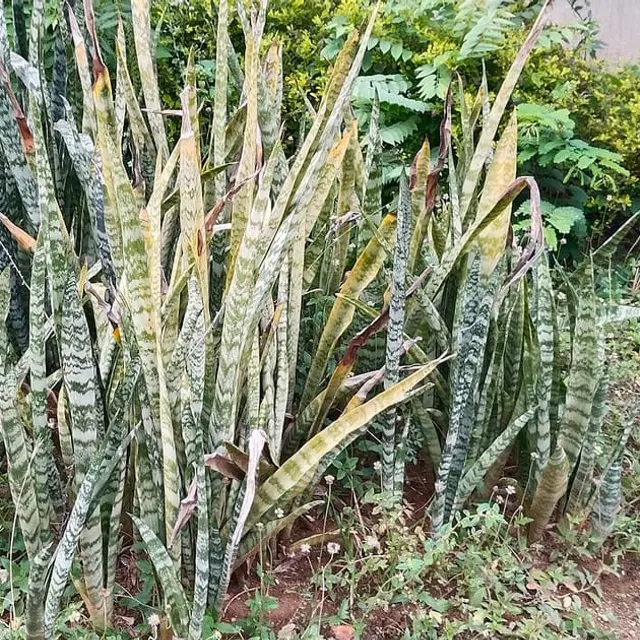
Thrives on neglect. The number-one way to kill it is love — meaning too much water.
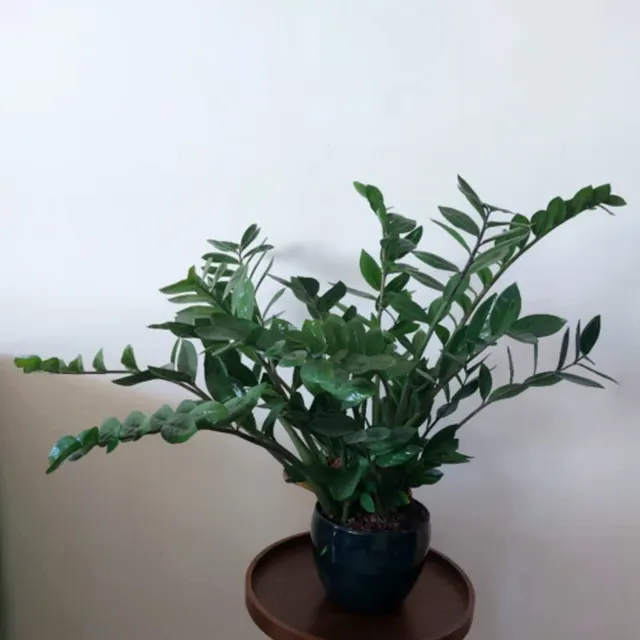
Glossy, almost plastic-looking leaves that tolerate dark offices, dry air and forgetful owners.