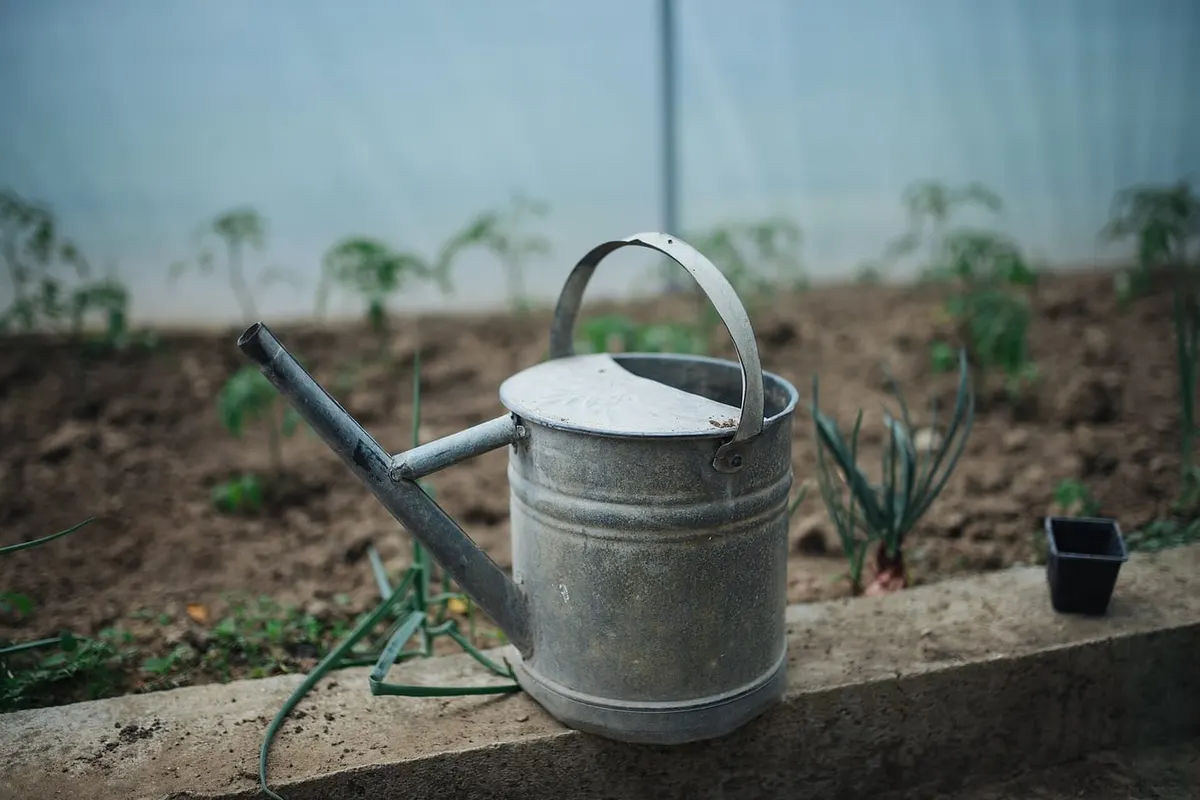
How often to water houseplants
Watering on a schedule kills more houseplants than anything else. Learn the 10-second finger test, how much water to give and how seasons change it.
Plant Care Basics
Pick your plant, pot and light. Get how often to check it, roughly how much water to give, and a schedule for the next few weeks.
There is no single “water every Sunday” rule for houseplants. How fast a pot dries out depends on five things, and the calculator combines all of them:
The range (for example “every 6–9 days”) is when your plant will probably need water. The schedule lists days to check — not days to water automatically. On each check day, push a finger into the soil up to the second knuckle. Dry? Water thoroughly until it drains. Still damp? Wait and check again in two or three days. After a few weeks you’ll know your plant’s real rhythm and can adjust the dates.
For a 6-inch plastic pot in medium light during the growing season, the calculator usually lands around these ranges:
Move the same pot into a sunny window and the numbers shrink by about a fifth; tuck it into a dim corner and they grow by almost half. Swap plastic for terracotta and expect to water about 20% more often.
Yellow leaves already? Here’s how to tell overwatering from underwatering. And for plants you can almost ignore, see our list of houseplants that are almost impossible to kill.
It gives a realistic starting range based on the plant’s needs, light, pot and season. Homes vary a lot, so always confirm with the finger test: water only when the top 1–2 inches of soil are dry (all the way down for succulents).
Shorter, darker days slow growth, so plants use much less water. In the US that is roughly November to February; in Australia, May to August. Watering on a summer schedule in winter is a top cause of root rot.
Water slowly until it runs out of the drainage hole, then empty the saucer after 15 minutes. The cups shown by the calculator are a rough guide for a pot of that size.
Yes. Terracotta breathes and dries out noticeably faster than plastic or glazed ceramic, and a self-watering pot can go one to two weeks between refills.
Watering on a schedule kills more houseplants than anything else. Learn the 10-second finger test, how much water to give and how seasons change it.
Plant Care Basics
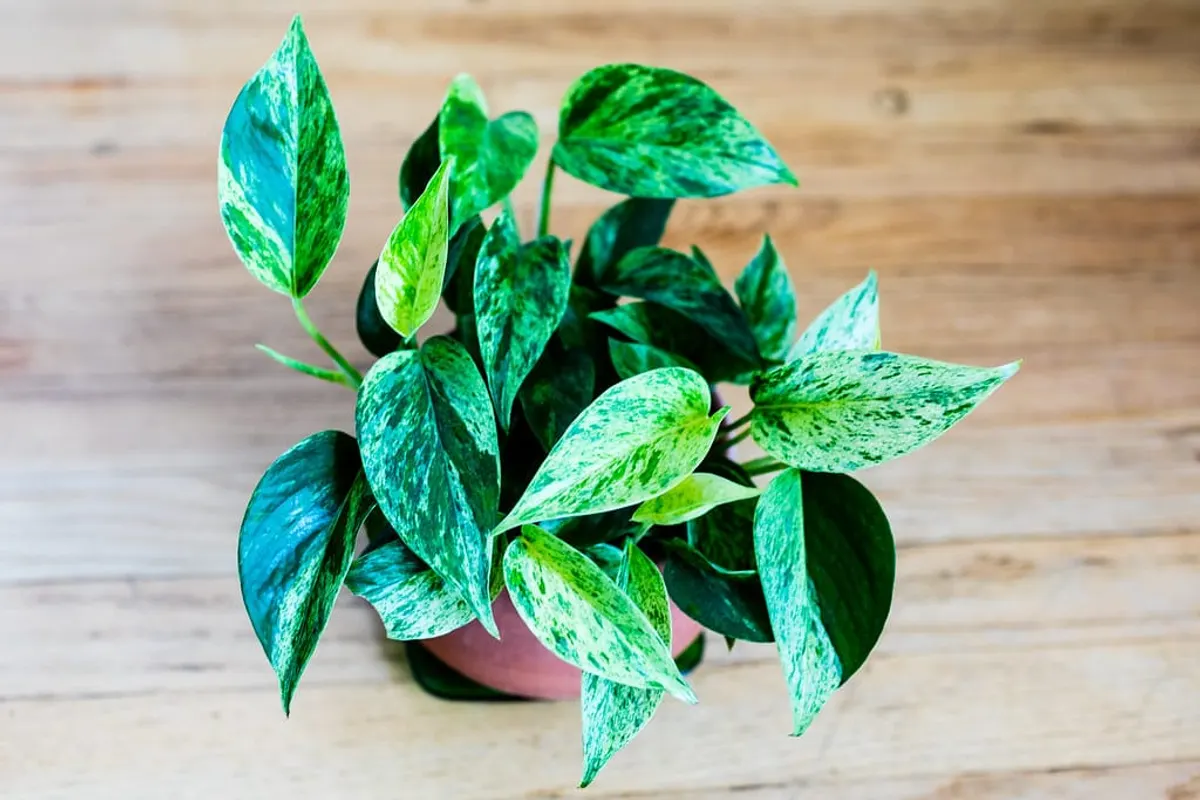
Yellow pothos leaves are a message. Learn to read the pattern — soft, crispy, old or new leaves — and fix overwatering, light, roots and more.
Plant Problems
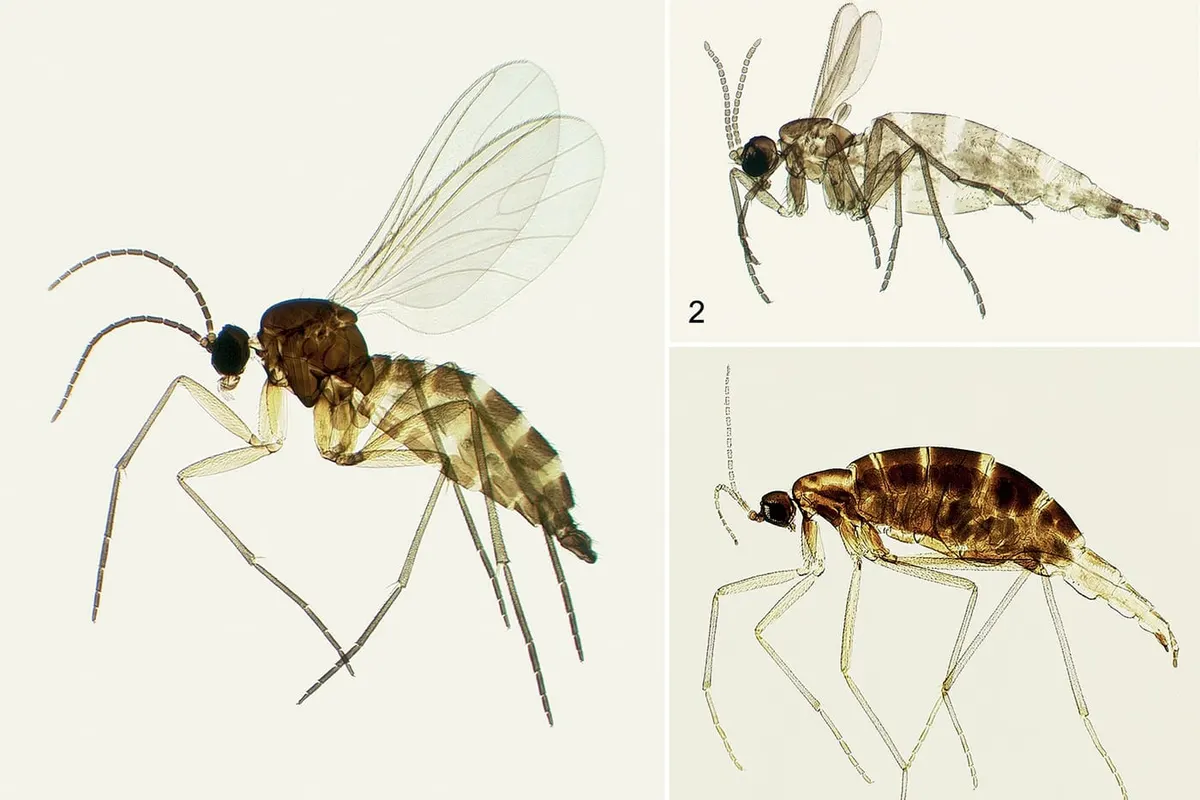
Tiny black flies around your plants? They're fungus gnats. Here's the 5-step plan that breaks their life cycle — and the one habit that keeps them away.
Plant Problems