12 houseplants that are hard to kill
Serial plant killer? These 12 tough houseplants survive low light, missed waterings and dry air — plus the one mistake that still kills them.
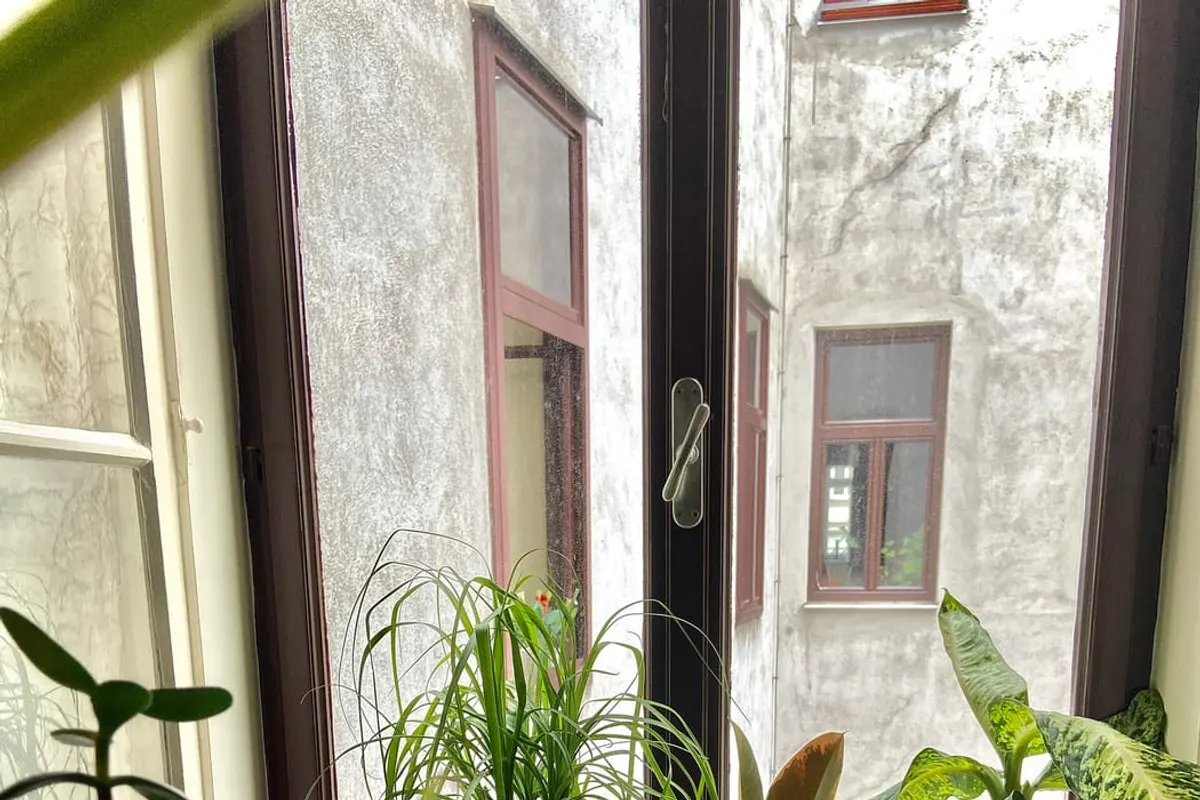
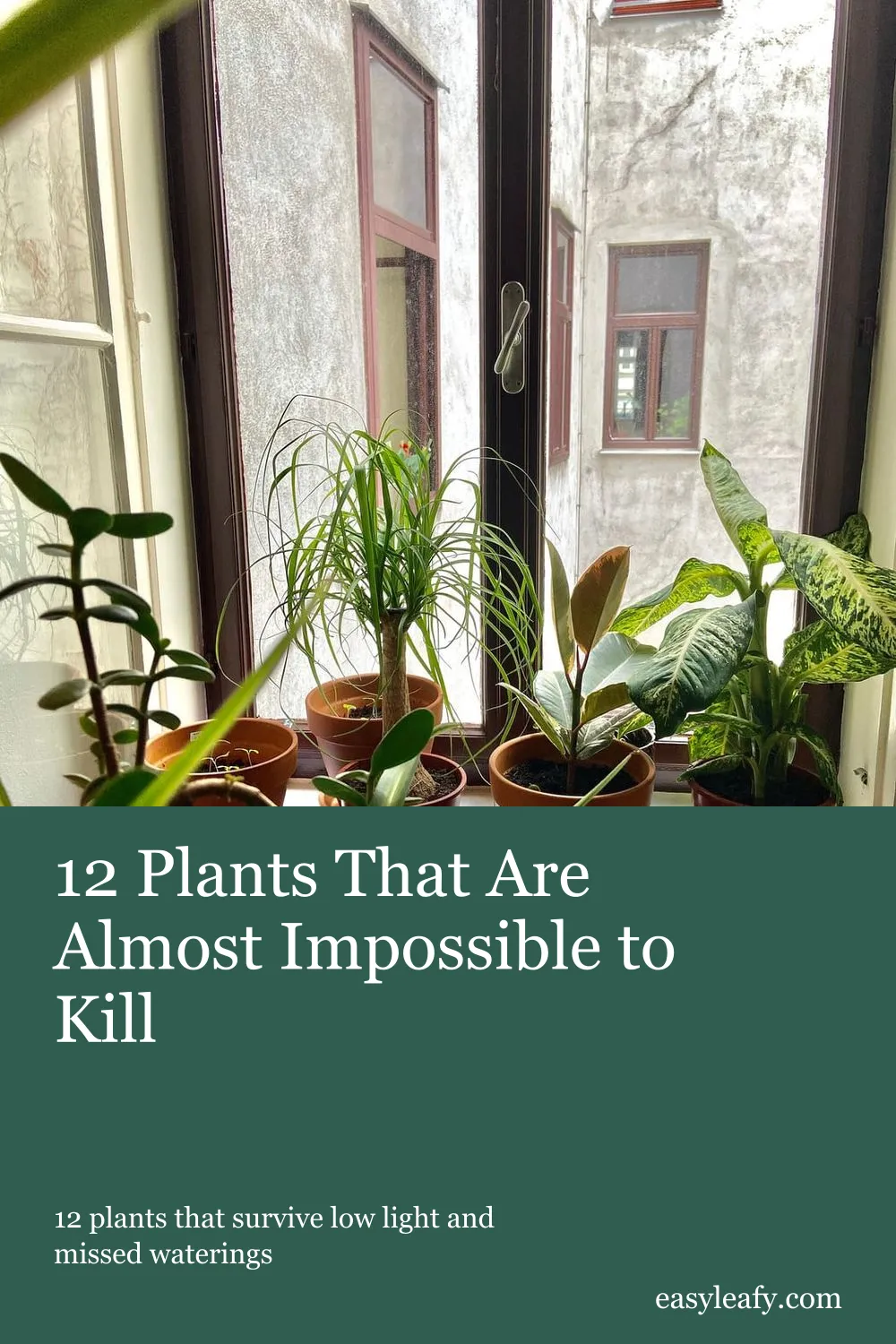
Top photo: Houseplants in terracotta pots on an apartment windowsill. Photo: Maxknoll1, CC BY-SA 4.0, via Wikimedia Commons.
The short answer: If you only buy one, get a ZZ plant or a snake plant. If you have cats or dogs, get a spider plant or a cast iron plant — both are non-toxic.
If you’ve ever looked at a crispy, droopy plant and thought “I just can’t keep anything alive” — good news: you probably picked the wrong plant, not the wrong hobby. Some houseplants evolved in dry, shady, unpredictable places. They are built to survive exactly the kind of neglect a busy life produces.
Here are the 12 toughest plants we know, ranked from “honestly bulletproof” to “very forgiving.” Each one comes with the one thing you need to get right.
1. ZZ plant (Zamioculcas zamiifolia)
The ZZ plant grows from thick, potato-like rhizomes under the soil that store water for weeks. Its glossy leaves look almost fake, and it handles dark offices, dry air and vacations without complaint.
- Light: low to bright indirect
- Water: every 2–4 weeks, when the soil is completely dry
- The one rule: don’t water on a schedule. Check the soil first.
Watch out: it’s toxic to pets if chewed. Full ZZ plant profile →
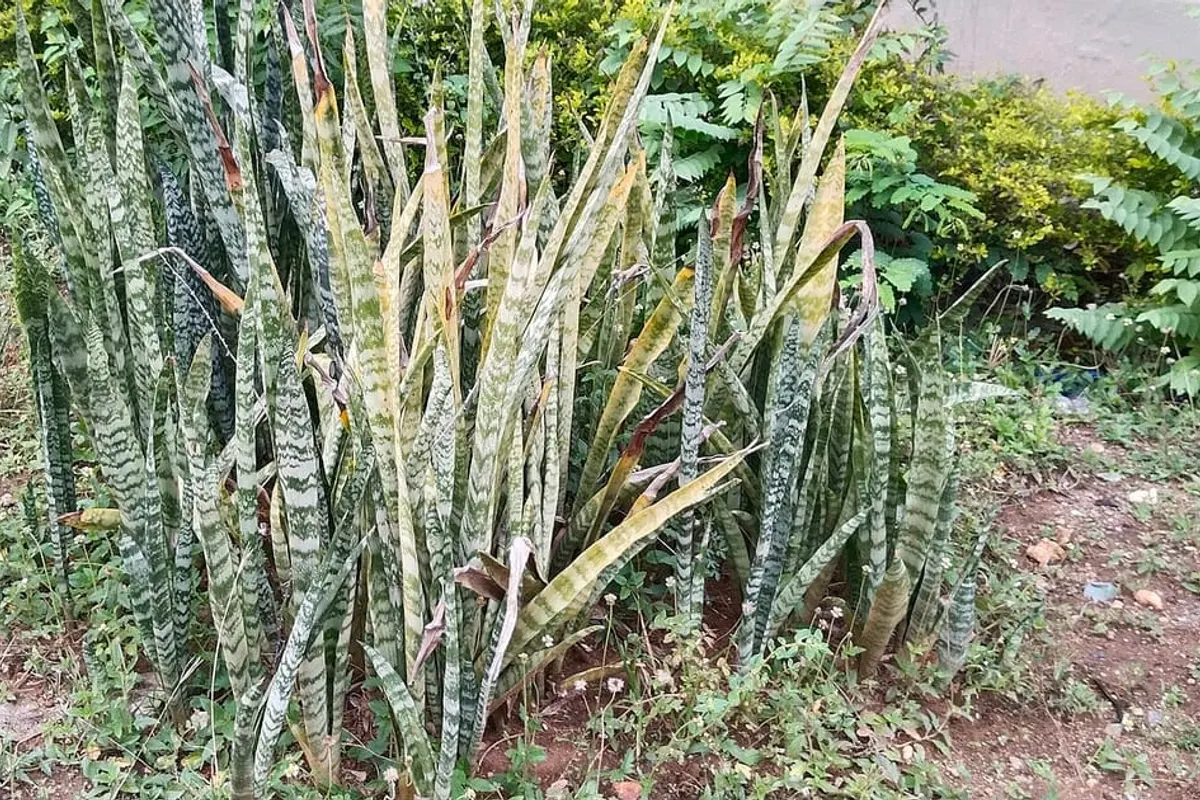
2. Snake plant (Dracaena trifasciata)
Stiff, upright leaves, and a reputation as the plant you can’t kill. It’s true — as long as you don’t drown it. Snake plants are succulents at heart, so a bright corner and a terracotta pot with cactus mix is their dream.
- Light: any, from a dim hallway to a sunny window
- Water: every 2–3 weeks in summer, monthly or less in winter
- The one rule: soft, mushy leaf bases mean root rot. Water less.
3. Cast iron plant (Aspidistra elatior)
The name says it all. Victorian homes were dark, cold and full of gas lamp fumes — and this plant thrived anyway. It’s slow-growing and not flashy, but it is non-toxic to cats and dogs and will grow where almost nothing else will.
- Light: low to medium (keep it out of direct sun)
- Water: every 2–3 weeks
- The one rule: buy the size you want; it grows slowly.
4. Pothos (Epipremnum aureum)
Pothos is the plant that converts people into plant people. It trails beautifully from a shelf, tolerates low light, and tells you when it’s thirsty: the leaves droop, you water, and it perks up within hours.
- Light: low to bright indirect
- Water: when the top 2 inches (5 cm) of soil are dry
- The one rule: yellow leaves almost always mean too much water. Here’s how to read them →
Bonus: you can grow free pothos plants from cuttings in a glass of water. Step-by-step propagation guide →
5. Spider plant (Chlorophytum comosum)
Pet-safe, fast-growing and generous — it makes little baby plants (“spiderettes”) you can pot up and give away. Its thick roots store water, so a missed week is no big deal.
- Light: medium to bright indirect
- Water: about once a week
- The one rule: brown tips usually come from fluoride in tap water. Use filtered or rain water if they bother you.
6. Peace lily (Spathiphyllum)
The peace lily is the most dramatic plant on this list. When it needs water, it collapses like it’s dying. Water it, and a few hours later it’s standing tall again. That built-in alarm makes it perfect for forgetful people.
- Light: low to medium
- Water: keep lightly moist
- The one rule: don’t let it faint every week — repeated wilting browns the leaves.
Pet note: peace lilies are toxic to cats and dogs, but they are not true lilies and don’t cause the kidney failure that real lilies do in cats. More on lilies and cats →
7. Heartleaf philodendron
Basically pothos with softer, heart-shaped leaves. Same easy care, same trailing habit, same “droop when thirsty” signal. If leaves get small and vines get long and bare, move it closer to a window.
8. Chinese evergreen (Aglaonema)
Want color without the fuss? Chinese evergreens come in pink, red and silver varieties that keep their pattern even in low light. Their only real dislike is cold — keep them away from drafty doors and windows in winter (below 60°F / 16°C).
9. Parlor palm (Chamaedorea elegans)
A soft, feathery palm that handles low light and is non-toxic to pets. It’s been a living-room staple since the 1800s. Water when the top inch is dry and give it a shower now and then to keep spider mites away.
10. Jade plant (Crassula ovata)
If you have a sunny windowsill, a jade can live for decades — people pass them down through families. Water deeply, then let the soil dry out completely. Wrinkled leaves mean thirsty; soft yellow leaves mean overwatered.
11. Ponytail palm (Beaucarnea recurvata)
Not a palm at all: it’s a succulent with a swollen trunk that stores water and a fun spray of leaves on top. Pet-safe, sun-loving and happy with a drink every 3–4 weeks.
12. Haworthia (zebra plant)
A tiny, striped succulent for desks and small spaces. Unlike most succulents, it doesn’t need full sun — bright indirect light from a nearby window is enough. Non-toxic to pets.
The one mistake that kills “unkillable” plants
It’s not neglect. It’s love — in the form of water.
Roots need oxygen as much as water. When soil stays wet, roots suffocate and rot, and the plant above ground starts to yellow and droop… which makes most people water more. To avoid it:
- Use a pot with a drainage hole. Decorative pots without holes are the number-one plant killer. Put a plastic nursery pot inside instead.
- Do the finger test. Push a finger into the soil up to the second knuckle. Dry? Water. Damp? Wait. Full watering guide →
- Water less in winter. Plants grow slowly when days are short, so they drink less. In the US that’s roughly November–February; in Australia, May–August.
- Empty the saucer 15 minutes after watering.
The 12 side by side
| Plant | Lowest light it tolerates | Water | Coldest it likes | Pets |
|---|---|---|---|---|
| ZZ plant | Low | Every 2–4 weeks | 60°F | Toxic |
| Snake plant | Low | Every 2–3 weeks | 50°F | Toxic |
| Cast iron plant | Low | Every 2–3 weeks | 45°F | Safe |
| Pothos | Low | Weekly-ish | 55°F | Toxic |
| Spider plant | Medium | Weekly | 50°F | Safe |
| Peace lily | Low | Keep lightly moist | 60°F | Toxic |
| Heartleaf philodendron | Low | Weekly-ish | 55°F | Toxic |
| Chinese evergreen | Low | Every 1–2 weeks | 60°F | Toxic |
| Parlor palm | Low | Weekly-ish | 55°F | Safe |
| Jade plant | Bright | Every 2–4 weeks | 50°F | Toxic |
| Ponytail palm | Bright | Every 3–4 weeks | 50°F | Safe |
| Haworthia | Medium | Every 2–3 weeks | 50°F | Safe |
Temperatures are the comfortable minimum for steady growth indoors, not the point where the plant dies.
Your first 30 days with a new plant
Most “easy” plants die in the first month, from the move and from too much attention. A calm plan:
- Day 1 — check it at the store. Firm stems, no mushy base, no webbing or white cotton under the leaves.
- Day 1 — don’t repot. It’s already stressed from the move. Leave it in the nursery pot (with drainage) and slip it into a decorative pot if you like.
- Days 1–14 — keep it apart from your other plants in case it brought pests home.
- Week 1 — find its spot with the hand-shadow light test and leave it there.
- First watering — only when the soil says so. Nursery soil is often still wet when you buy the plant.
- Weeks 2–4 — expect a leaf or two to yellow. That’s the plant adjusting to lower light than the greenhouse.
- Month 2 — repot if roots are crowded, in spring or summer. Pot size chart →
Myths about easy plants
| Myth | Reality |
|---|---|
| “Snake plants purify the air in your bedroom.” | The famous 1989 NASA study used sealed chambers. In a real home, you’d need an impractical number of plants to change air quality. Ventilation does far more. |
| “Low-light plants don’t need light.” | They tolerate low light, not no light. A windowless bathroom needs a grow bulb. |
| “Succulents are the easiest plants.” | Only in a sunny window. In a dim apartment, they stretch and rot. A ZZ plant is easier there. |
| “If it’s drooping, water it.” | Droop can mean root rot from too much water. Check the soil first. How to tell → |
| “Bigger pots let plants grow faster.” | Extra soil stays wet and rots roots. Go up only 1–2 inches at a time. |
Which one should you get?
| If you… | Get a… |
|---|---|
| Have a dark room | ZZ plant, cast iron plant or snake plant |
| Have cats or dogs | Spider plant, cast iron plant, parlor palm, haworthia |
| Forget to water for weeks | ZZ plant, snake plant, ponytail palm |
| Want something trailing | Pothos or heartleaf philodendron |
| Want flowers | Peace lily |
| Have a sunny window | Jade plant or ponytail palm |
Still not sure? The plant finder asks four quick questions about your light, pets and habits and gives you a shortlist.
Plants in this guide
Quick answers
What is the hardest houseplant to kill?
The ZZ plant and the snake plant are the toughest. Both store water, handle low light and can go a month without watering. The only reliable way to kill them is overwatering.
What is the easiest houseplant that is safe for cats?
The spider plant and the cast iron plant are both non-toxic to cats and dogs and very forgiving. A parlor palm is another easy pet-safe option for low light.
Why do 'unkillable' plants still die?
Almost always from too much water. Roots sitting in wet soil can't get oxygen and they rot. Use a pot with a drainage hole and water only when the soil is dry.
Sources
- NC State Extension Plant Toolbox — Dracaena trifasciata
- NC State Extension Plant Toolbox — Zamioculcas zamiifolia
- NC State Extension Plant Toolbox — Epipremnum aureum
- ASPCA — Toxic and Non-Toxic Plant List
Checked November 9, 2026. Spotted an error? Tell us — see our editorial policy.
Pin it to your plant board so you can find it when you need it.
Save to PinterestKeep reading
More Indoor Plants →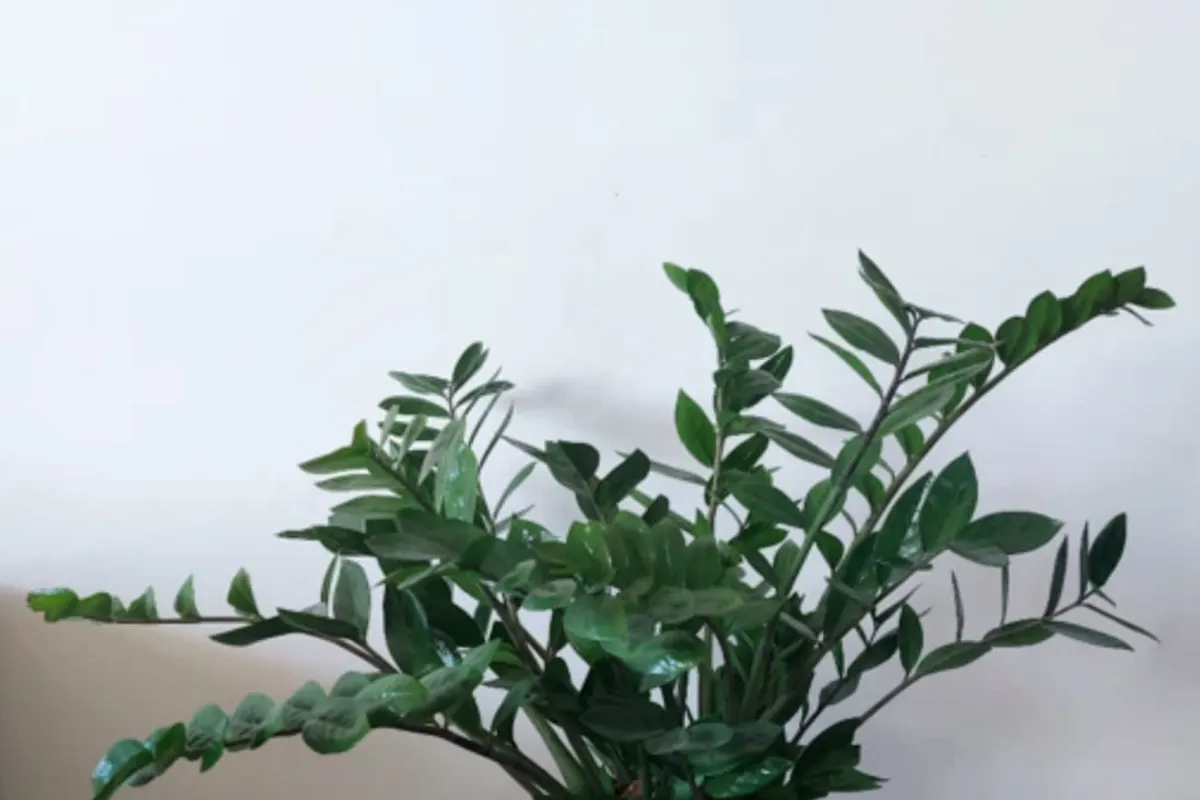
10 plants for dark apartments
No sunny windows? These 10 plants grow in low light — plus how to tell how much light you really have and the one mistake people make in dark rooms.
Indoor Plants
Snake plant care
Everything you need to keep a snake plant thriving: how much light and water, the best soil and pot, how to fix mushy or wrinkled leaves, and how to propagate it.
Indoor Plants
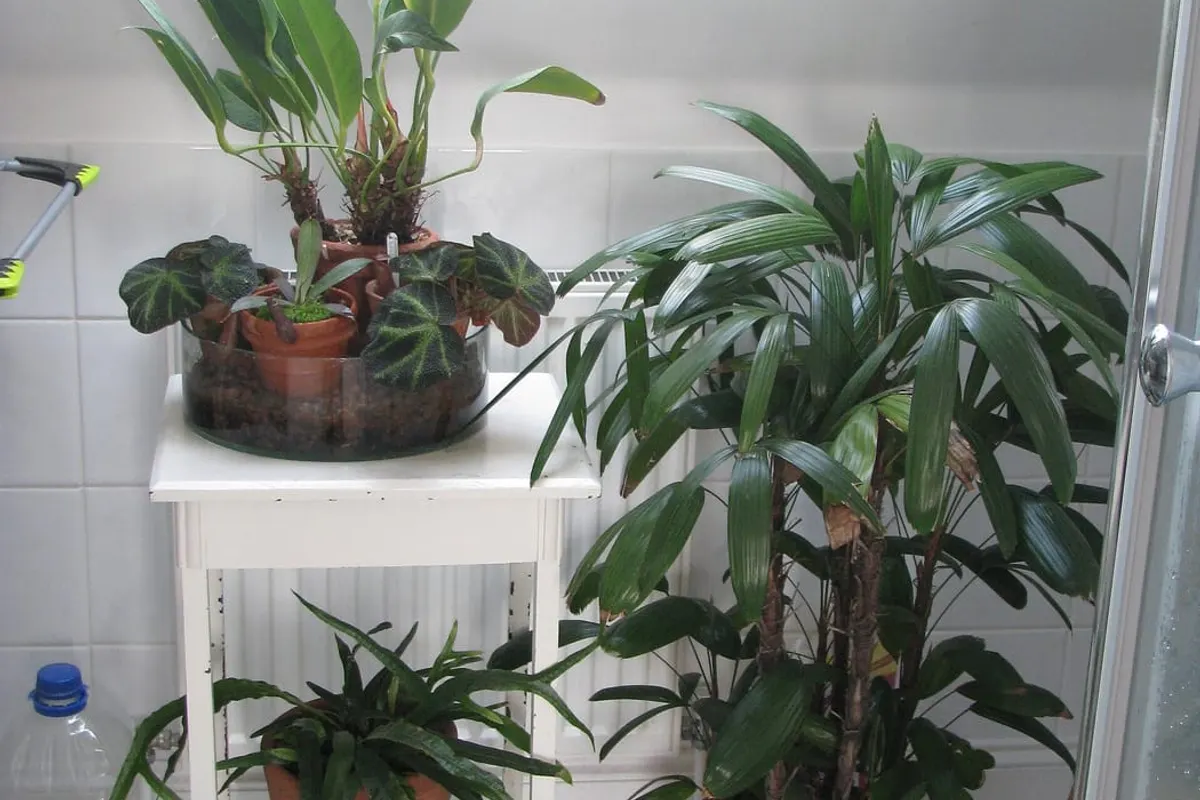
Plants for a bathroom
Pick bathroom plants by how much light you have: ferns and calatheas for bright bathrooms, cast iron plants for dim ones — and what to do in a bathroom with no window.
Indoor Plants
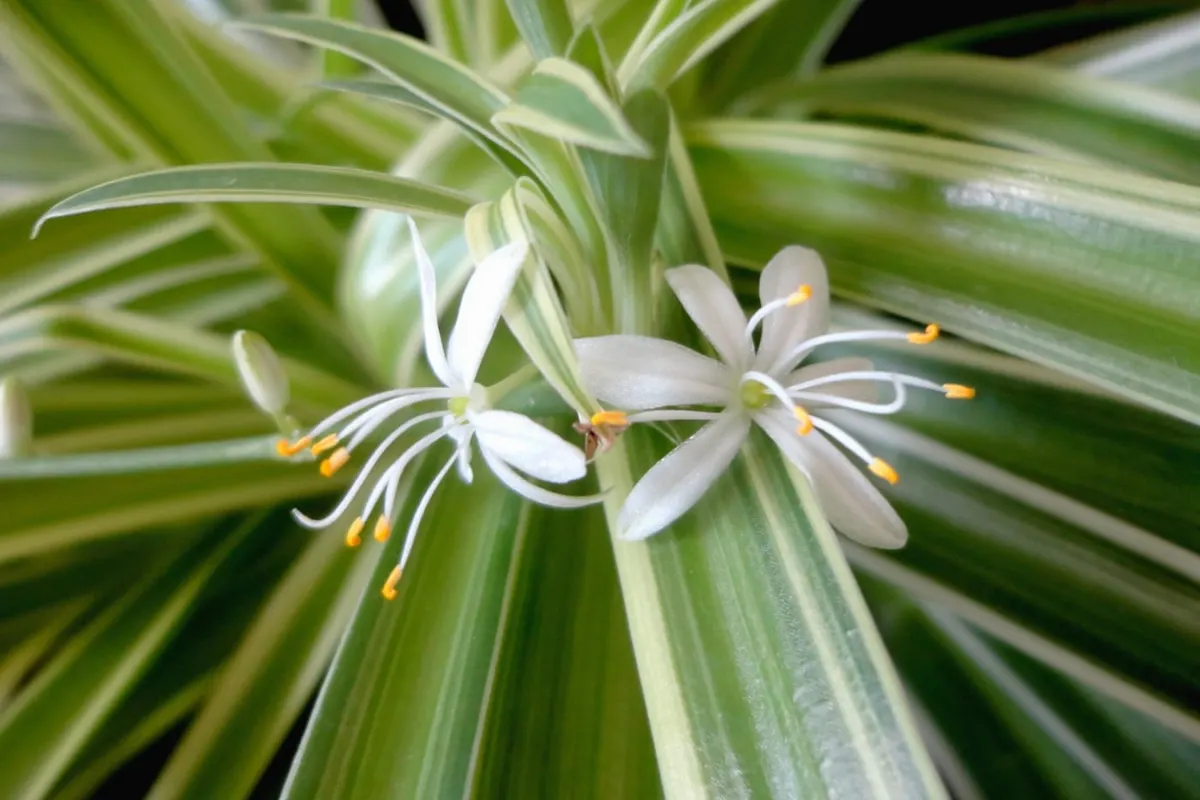
15 pet-safe houseplants
Non-toxic houseplants that are safe for cats and dogs, organized by how much light you have — from dark corners to sunny windows.
Pets & Plants
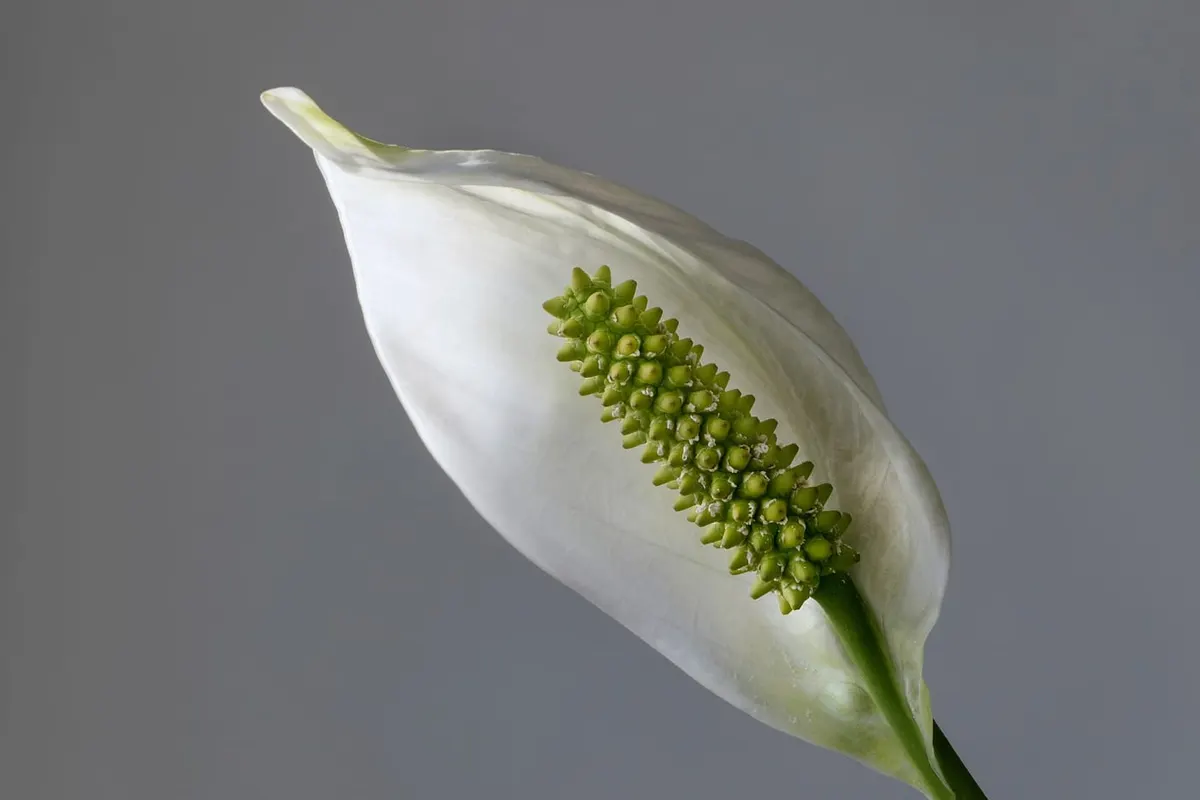
Overwatered or underwatered?
Both make leaves droop and turn yellow. Check the soil, the leaf texture and the roots to tell overwatering from underwatering — and fix each one.
Plant Problems
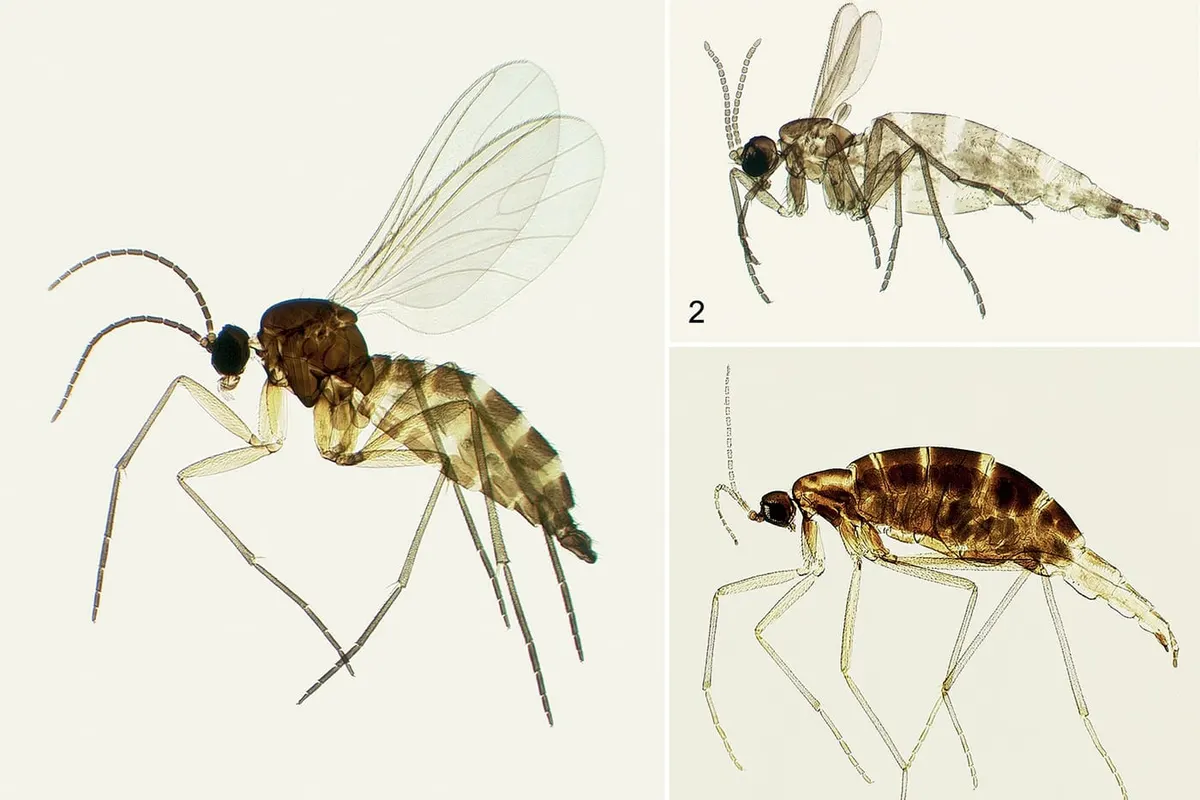
Getting rid of fungus gnats
Tiny black flies around your plants? They're fungus gnats. Here's the 5-step plan that breaks their life cycle — and the one habit that keeps them away.
Plant Problems