Does misting plants work?
Misting feels helpful, but the water evaporates in minutes. What actually raises humidity for ferns and calatheas, ranked from most to least effective.
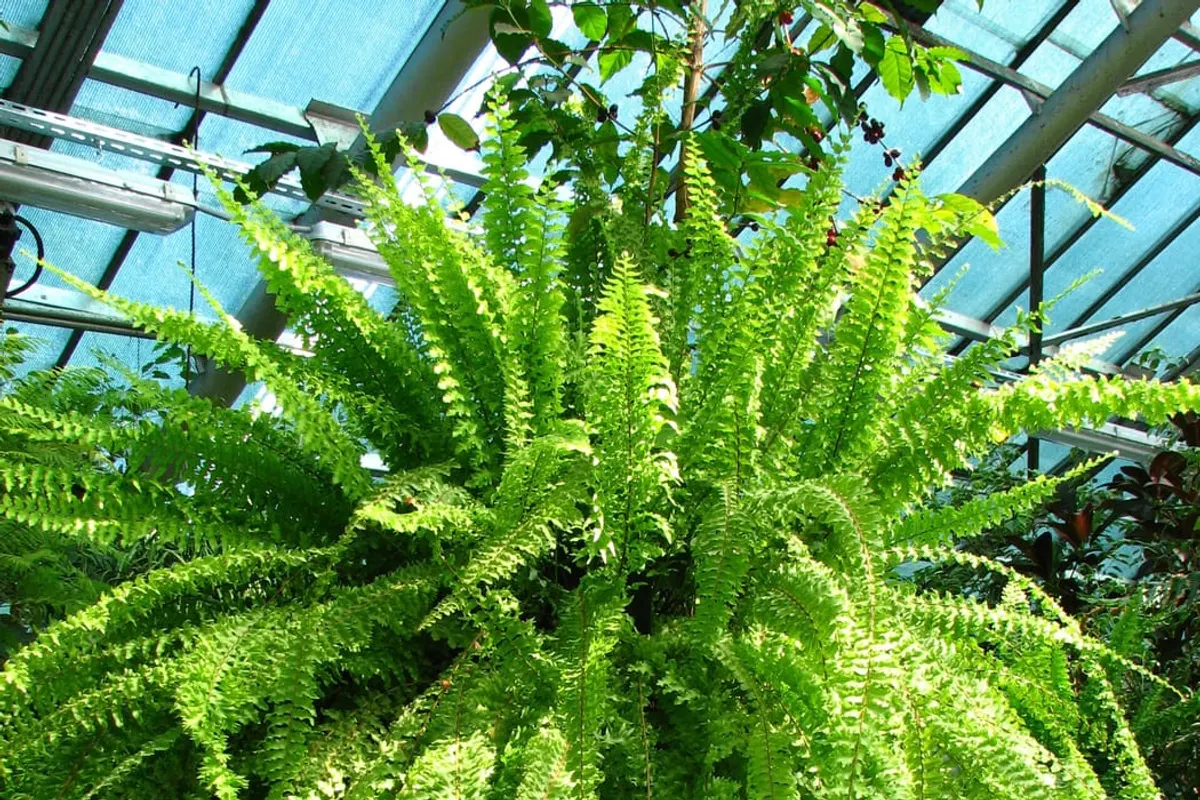
Top photo: A Boston fern growing in a greenhouse. Photo: Kor!An (Корзун Андрей), CC BY-SA 3.0, via Wikimedia Commons.
Mostly no. A misting raises the humidity around a plant for a few minutes, then the droplets evaporate and the air is as dry as before. If a fern or calathea is getting crispy edges, a humidifier or grouping plants together does far more than a spray bottle.
That doesn’t make misting useless — it just isn’t a humidity fix.
Myth vs. fact
| Myth | Fact |
|---|---|
| “Mist daily to raise humidity.” | The effect lasts minutes. You’d have to mist constantly to make a difference. |
| “Misting waters the plant.” | Roots drink; leaves barely do. Water the soil. |
| “Tropical plants need misting.” | They need steady humidity. A room humidifier provides that; a spray doesn’t. |
| “Pebble trays fix dry air.” | They help a little right next to the pot, and more when many plants share one tray. |
| “Bathrooms are perfect for every plant.” | Only if there’s a window. Humidity without light doesn’t keep a plant alive. |
What actually raises humidity (best to worst)
- A room humidifier. The only option that changes the air in a whole room. Aim for roughly 40–60% relative humidity, which tropical plants like and most homes can manage. A cheap hygrometer tells you where you are.
- Grouping plants. Plants release water through their leaves; a tight group creates a slightly more humid pocket.
- A bright bathroom or kitchen. Showers and cooking add moisture — great for Boston ferns and bird’s nest ferns if there’s a window.
- Pebble trays. Small, local effect. Keep the pot above the waterline.
- Misting. A few minutes of benefit. Nice for cleaning dust off leaves, not for humidity.
When the dry air comes from
In most US homes, the driest months are when the heating runs — roughly November through March in cold-winter states. Forced-air heat can push indoor humidity well below what tropical plants prefer. That’s when you’ll see:
- Crispy brown edges on calatheas, ferns and palms
- New leaves that stick or tear as they unfurl
- More spider mites, which love dry air
Which plants actually care?
| Very humidity-sensitive | Somewhat | Don’t care at all |
|---|---|---|
| Calathea, Boston fern, maidenhair fern, alocasia | Monstera, peace lily, parlor palm, bird’s nest fern | Snake plant, ZZ plant, pothos, succulents, jade |
If your home is dry and you don’t want a humidifier, pick from the right-hand column. Our plants that are almost impossible to kill are all fine with dry air.
When misting is still worth it
- Cleaning dusty leaves so they get more light (then wipe them).
- Air plants (Tillandsia), which absorb water through their leaves — though soaking them works better.
- Rinsing off pests as part of a spider mite treatment.
Crispy edges can also come from watering problems, not air. If the soil is bone dry or soggy, start there: overwatered vs. underwatered →
Plants in this guide
Quick answers
Is misting bad for plants?
Usually it's harmless, but it doesn't help much. Frequent misting can encourage leaf spot diseases on plants with fuzzy leaves (like African violets) or water sitting in leaf rosettes.
Do pebble trays work?
A little, right around the pot. They help most when several plants share one big tray. Make sure the pot sits on the pebbles, above the water, not in it.
Sources
- Royal Horticultural Society — Houseplants
- UF/IFAS Gardening Solutions — Houseplants
- NC State Extension Plant Toolbox — Nephrolepis exaltata
Checked November 9, 2026. Spotted an error? Tell us — see our editorial policy.
Pin it to your plant board so you can find it when you need it.
Save to PinterestKeep reading
More Plant Care Basics →
How often to water houseplants
Watering on a schedule kills more houseplants than anything else. Learn the 10-second finger test, how much water to give and how seasons change it.
Plant Care Basics
The hand-shadow light test
The free 30-second trick plant pros use: read your hand's shadow to know if a spot has bright, medium or low light — and which plants will thrive there.
Plant Care Basics
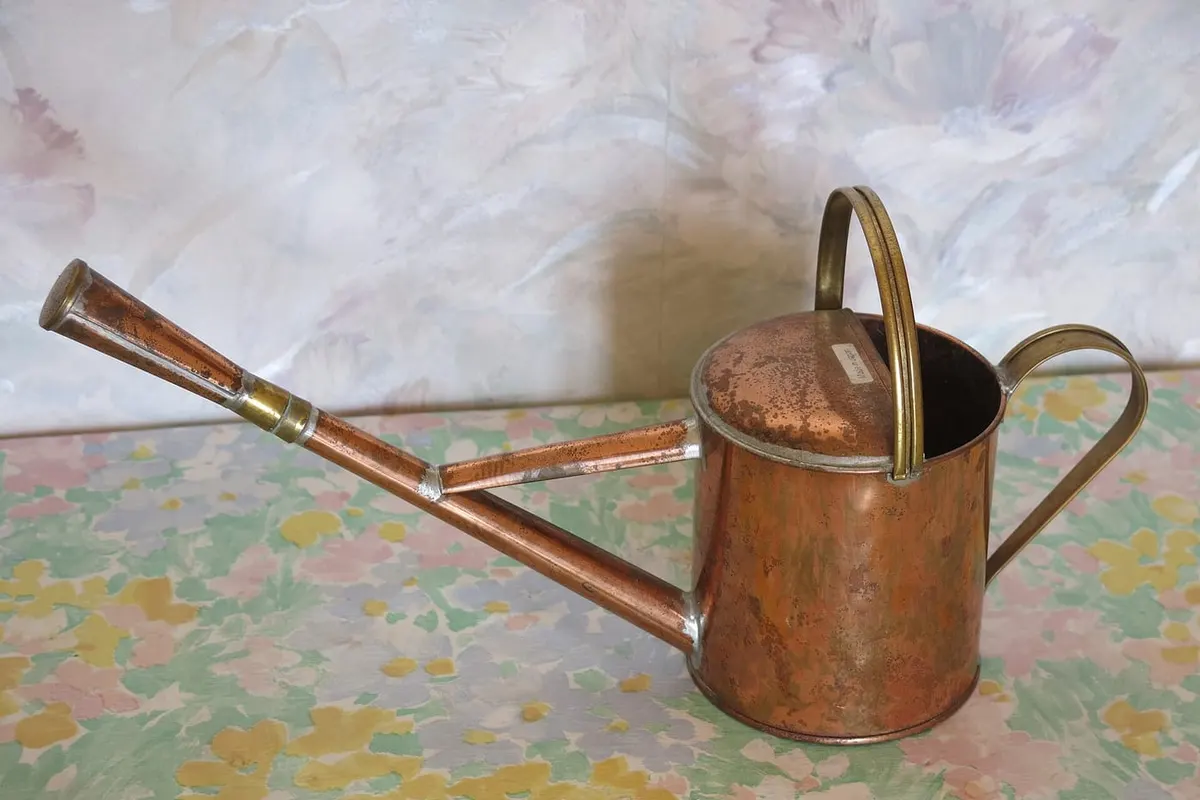
A watering chart for 24 plants
A printable watering chart for 24 popular houseplants: when the soil should be dry, how many days in summer vs. winter, and which plants are toxic to pets.
Plant Care Basics
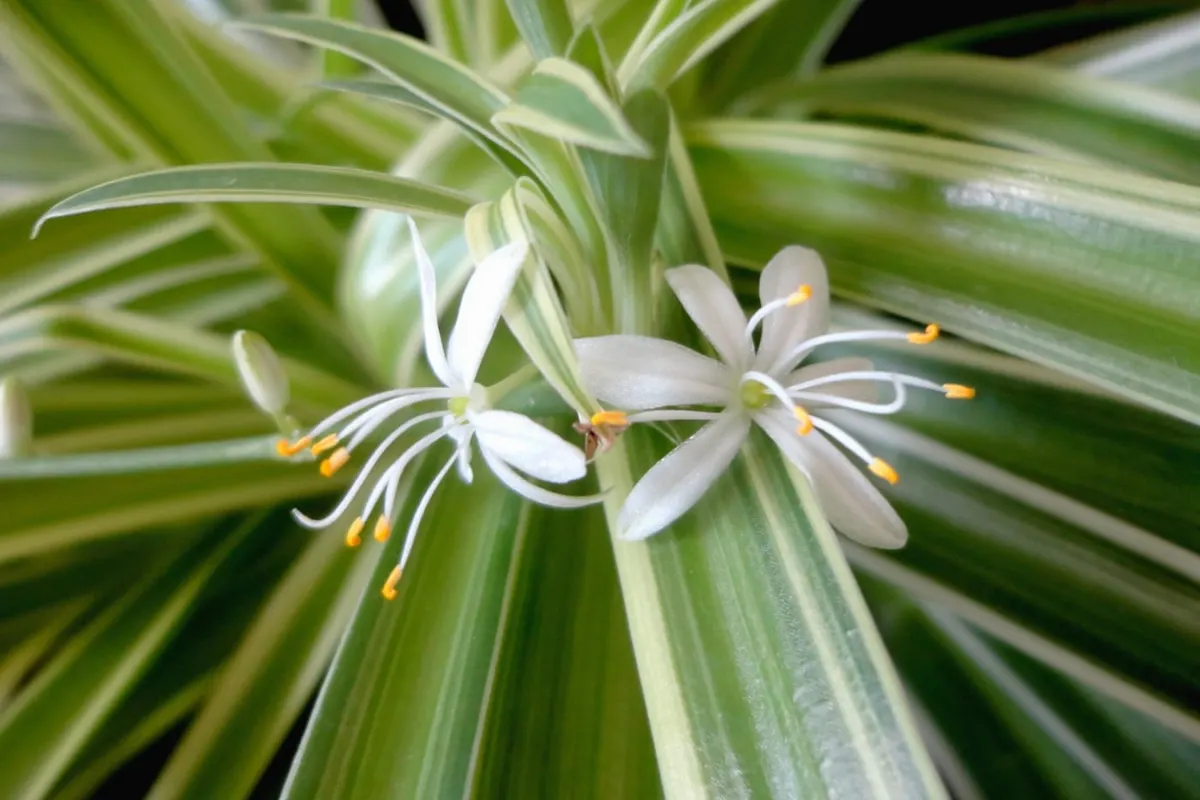
15 pet-safe houseplants
Non-toxic houseplants that are safe for cats and dogs, organized by how much light you have — from dark corners to sunny windows.
Pets & Plants
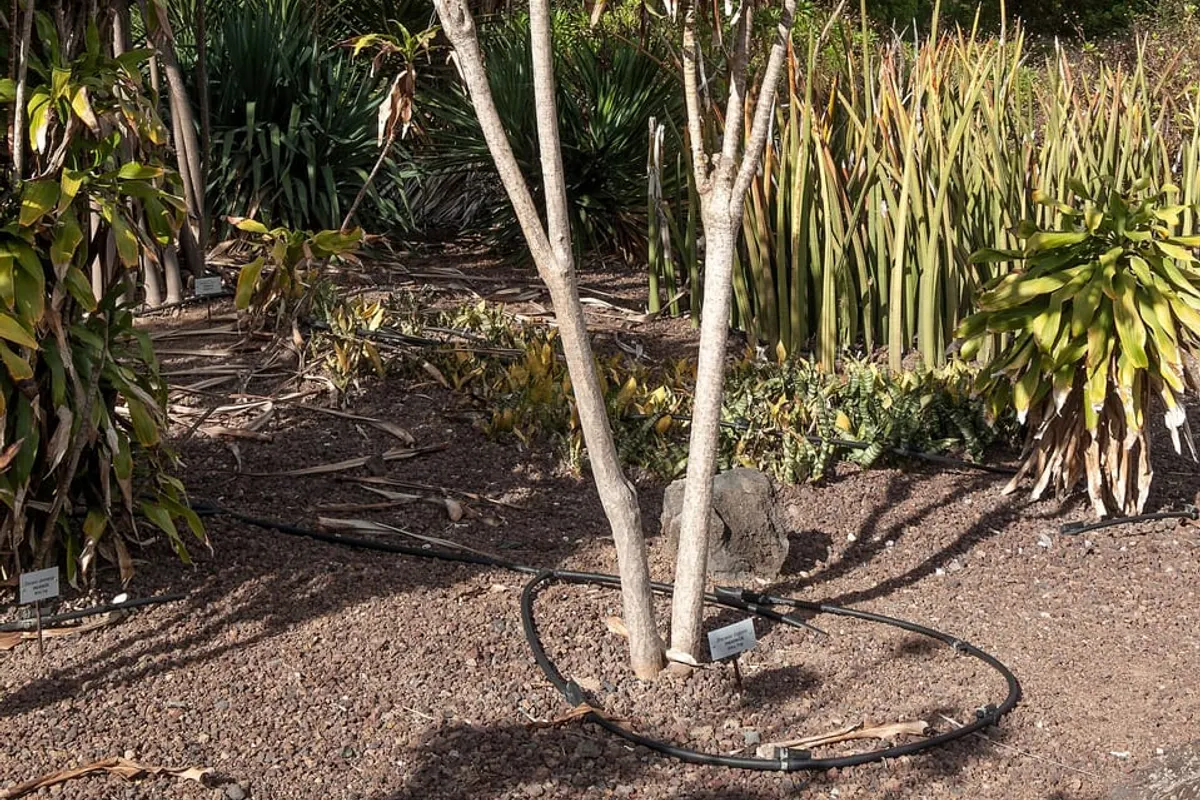
Brown tips on leaves
Crispy brown tips are usually dry soil, dry air, or salts and fluoride in tap water. How to tell which one by the pattern, and which plants are most sensitive.
Plant Problems
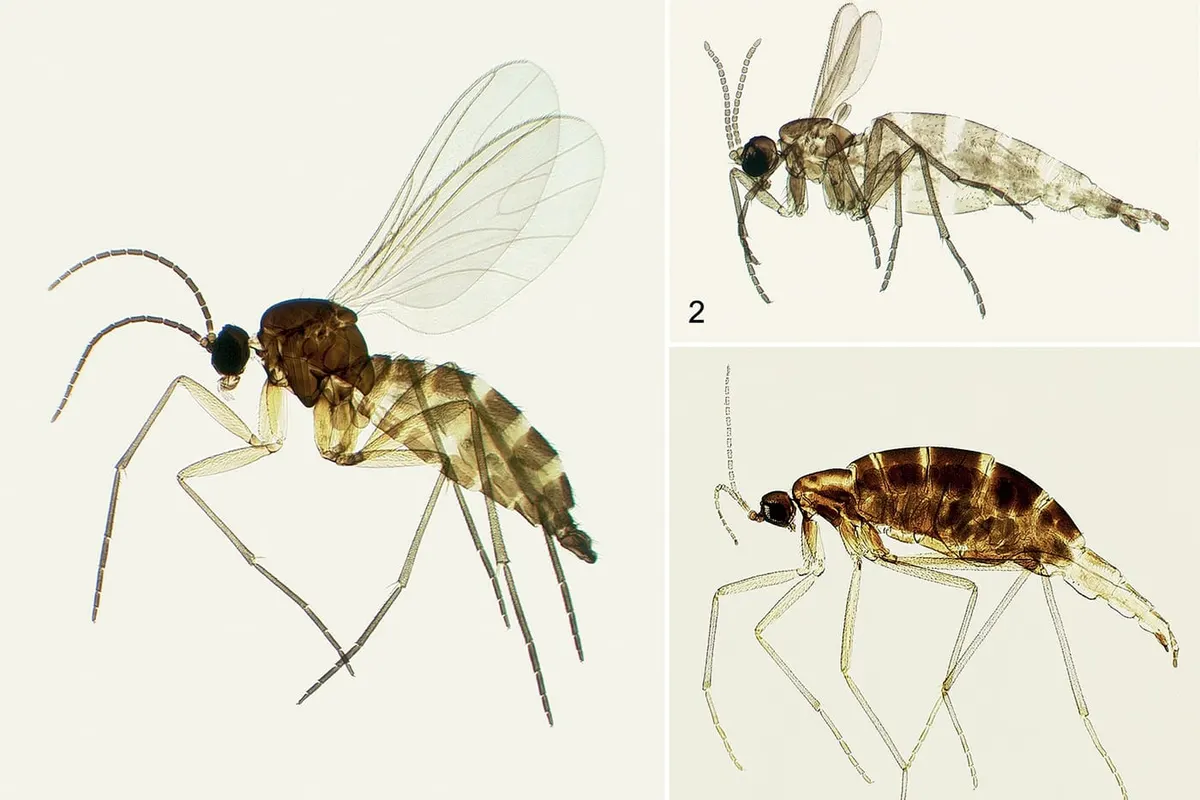
Getting rid of fungus gnats
Tiny black flies around your plants? They're fungus gnats. Here's the 5-step plan that breaks their life cycle — and the one habit that keeps them away.
Plant Problems