How often to fertilize
Feed most houseplants once a month in spring and summer at half strength, and not at all in winter. A dilution chart, what N-P-K means and signs of too much.
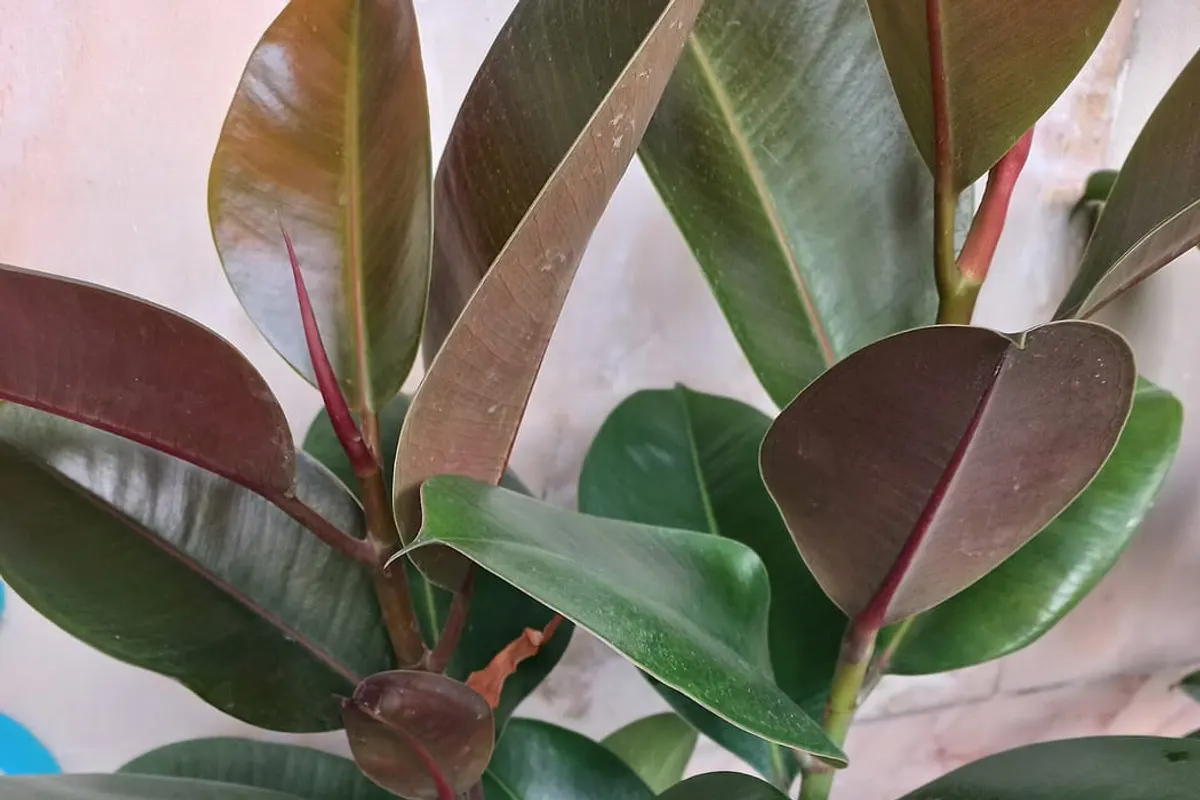
Top photo: Glossy rubber plant (Ficus) leaves. Photo: Kuwanishbek, CC0, via Wikimedia Commons.
Feed most houseplants once a month from spring to late summer with a balanced liquid fertilizer at half the strength on the label — and stop in fall and winter. Fertilizer helps a growing plant; it can’t fix a plant that’s struggling with light or water.
More is not better. Over-fertilizing burns roots and causes the same brown tips and yellow leaves people then try to fix with even more fertilizer.
When to feed
| Season (US) | What to do |
|---|---|
| March–April | Start feeding when you see new growth |
| May–August | Monthly, half strength (every 2 weeks at quarter strength also works) |
| September | Last feed of the year |
| October–February | No fertilizer (unless the plant is actively growing under grow lights) |
Never feed: a plant with bone-dry soil (water first), a plant you just repotted (wait about a month — fresh mix has nutrients), or a sick plant until you’ve fixed the cause.
Dilution chart
Most liquid houseplant fertilizers say something like “1 teaspoon per quart” or “1 capful per gallon.” Half strength means half of that dose in the same amount of water:
| Label says | Full strength | Half strength (recommended) | Quarter strength (every 2 weeks) |
|---|---|---|---|
| 1 tsp per quart | 1 tsp in 1 quart | ½ tsp in 1 quart | ¼ tsp in 1 quart |
| 1 tsp per gallon | 1 tsp in 1 gallon | ½ tsp in 1 gallon | ¼ tsp in 1 gallon |
| 1 tbsp per gallon | 1 tbsp in 1 gallon | 1½ tsp in 1 gallon | ¾ tsp in 1 gallon |
| 5 ml per liter | 5 ml in 1 liter | 2.5 ml in 1 liter | 1.25 ml in 1 liter |
Always follow your product’s label first; the chart just halves whatever it says. Water the plant normally, then use the diluted fertilizer as the next watering — or apply it to soil that’s already slightly moist.
What N-P-K means
The three numbers on the bottle (like 10-10-10 or 3-1-2) are the percentages of nitrogen (N), phosphorus (P) and potassium (K):
| Nutrient | What it does | Good for |
|---|---|---|
| Nitrogen (N) | Leaf and stem growth | Foliage plants: pothos, monstera, ferns |
| Phosphorus (P) | Roots and flowers | Blooming plants: African violet, peace lily |
| Potassium (K) | Overall strength | Everything |
For most houseplants, a balanced or slightly nitrogen-heavy liquid fertilizer labeled for houseplants is all you need. Succulents and cacti do best with a fertilizer made for them, used two or three times a year.
Types of fertilizer
| Type | Pros | Cons |
|---|---|---|
| Liquid concentrate | Easy to control the dose | Must remember to use it |
| Slow-release granules | Feed for 3–6 months | Hard to stop if you overdo it; keep away from pets |
| Fertilizer spikes | Convenient | Concentrated in one spot; can burn nearby roots |
| Organic (fish emulsion, worm castings) | Gentle | Fish emulsion smells strongly indoors |
Signs of too much fertilizer
- White crust on the soil surface or the pot rim
- Brown, crispy leaf tips and edges (other causes of brown tips →)
- Wilting even though the soil is moist
- Lots of weak, floppy new growth
Fix: flush the pot — slowly run water through it for a couple of minutes, about twice the pot’s volume — then skip fertilizer for two months.
Do easy plants need fertilizer at all?
Snake plants, ZZ plants and cast iron plants grow so slowly that once or twice a year is plenty. Fast growers like pothos and monstera use the most, especially in bright light.
Plants in this guide
Quick answers
Should I fertilize houseplants in winter?
Usually no. Most houseplants grow very little from about November to February in the US, so they can't use the extra nutrients and salts build up in the soil. Plants under grow lights that keep growing can get a light feed.
Can I use coffee grounds as fertilizer?
Not a good idea for houseplants. Grounds sitting on top of the soil stay wet, can grow mold and attract fungus gnats, and add very little nutrition in a pot. Use a balanced houseplant fertilizer instead.
Sources
Checked November 9, 2026. Spotted an error? Tell us — see our editorial policy.
Pin it to your plant board so you can find it when you need it.
Save to PinterestKeep reading
More Plant Care Basics →
How often to water houseplants
Watering on a schedule kills more houseplants than anything else. Learn the 10-second finger test, how much water to give and how seasons change it.
Plant Care Basics
A watering chart for 24 plants
A printable watering chart for 24 popular houseplants: when the soil should be dry, how many days in summer vs. winter, and which plants are toxic to pets.
Plant Care Basics
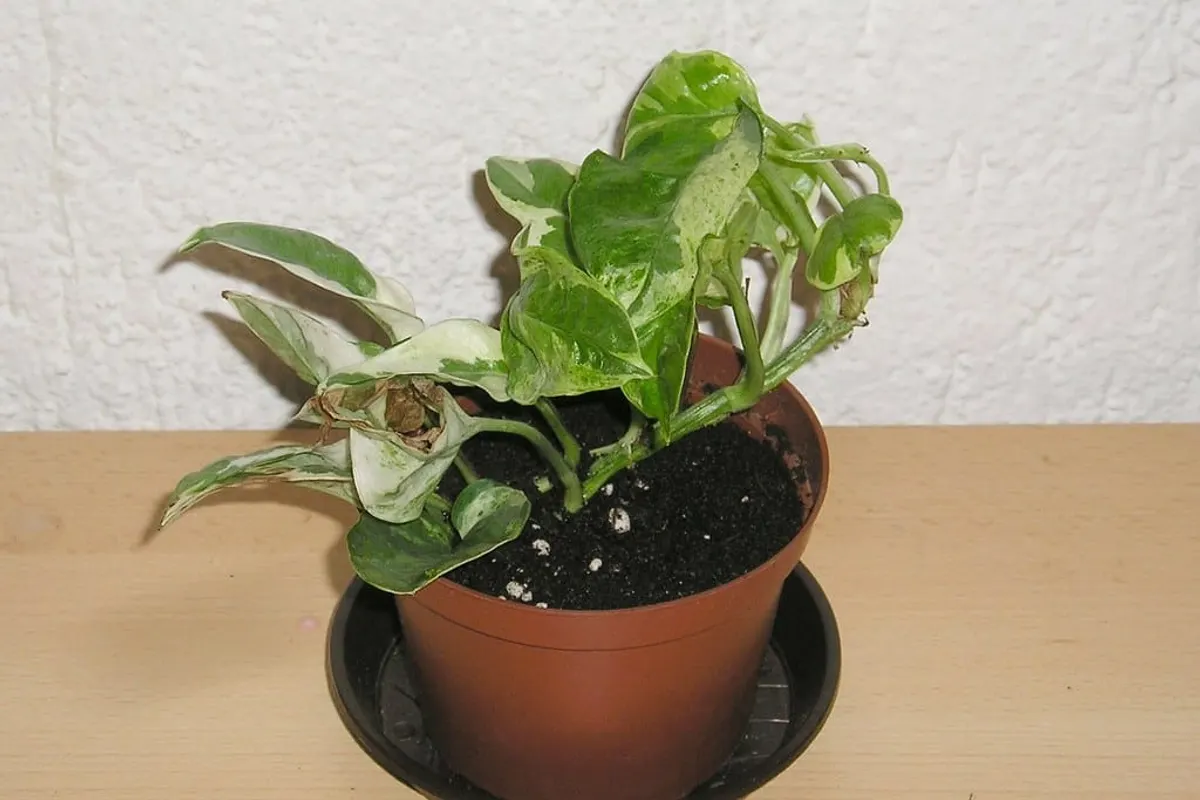
The lift test
Lift the pot: heavy means wait, light means water. How to calibrate the lift test with a kitchen scale in two days, plus a worked example with real numbers.
Plant Care Basics
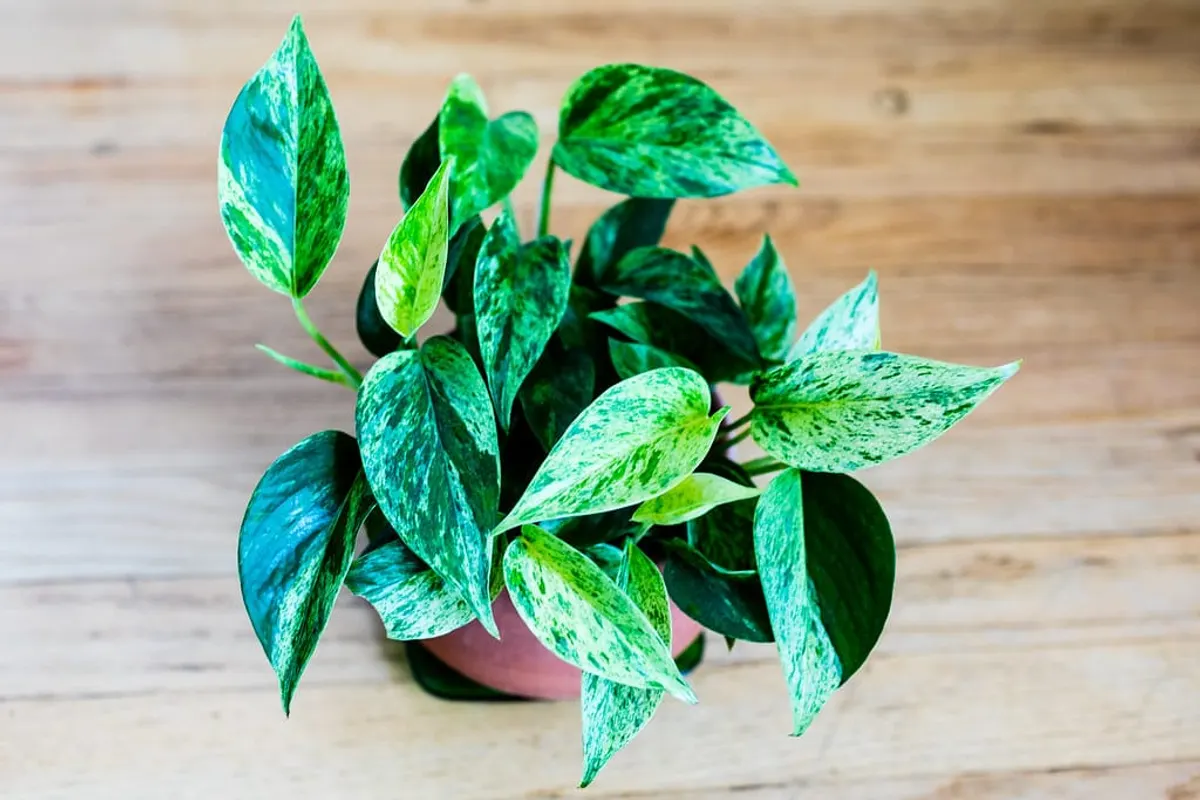
Why pothos leaves turn yellow
Yellow pothos leaves are a message. Learn to read the pattern — soft, crispy, old or new leaves — and fix overwatering, light, roots and more.
Plant Problems
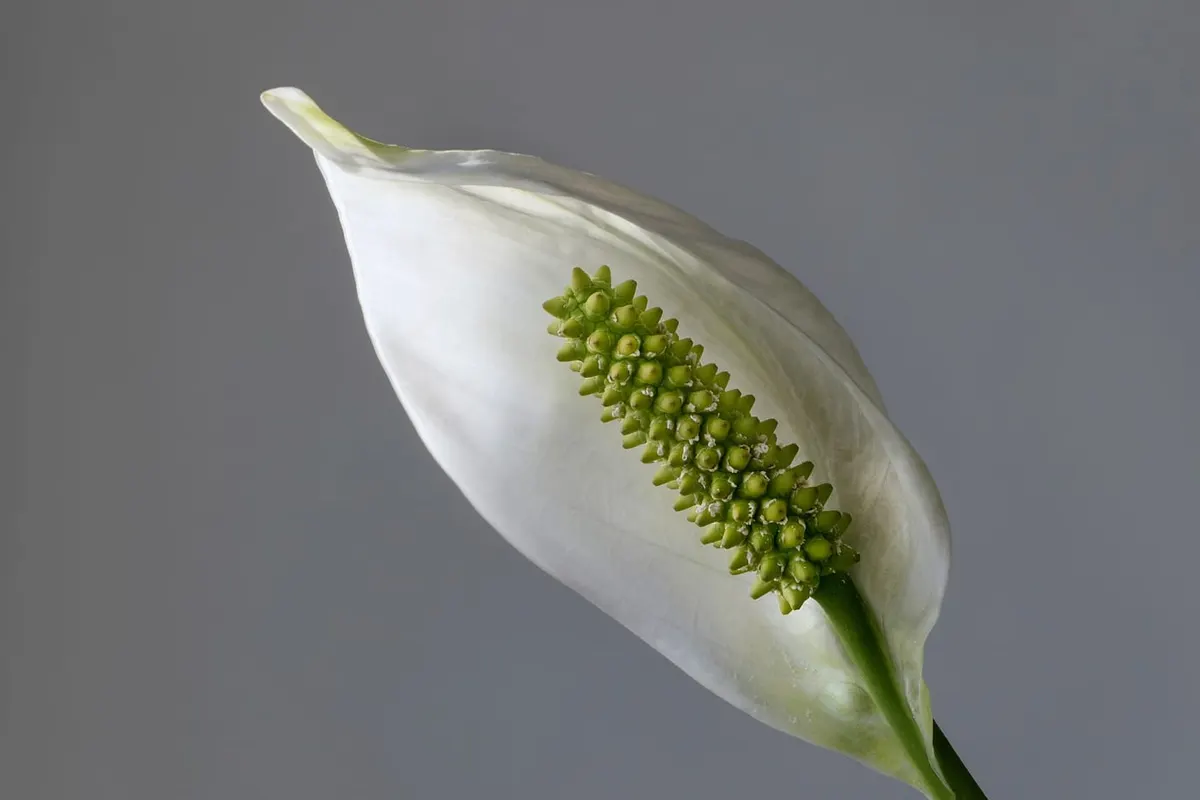
Overwatered or underwatered?
Both make leaves droop and turn yellow. Check the soil, the leaf texture and the roots to tell overwatering from underwatering — and fix each one.
Plant Problems
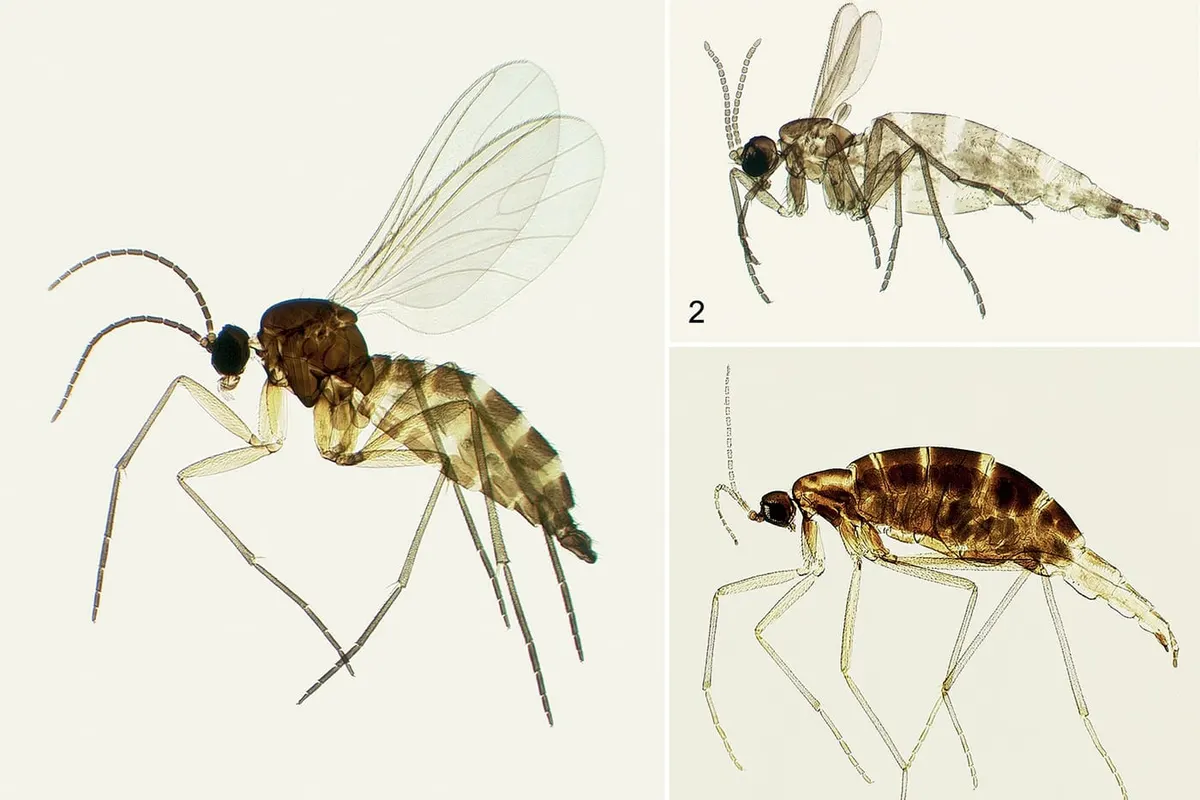
Getting rid of fungus gnats
Tiny black flies around your plants? They're fungus gnats. Here's the 5-step plan that breaks their life cycle — and the one habit that keeps them away.
Plant Problems